
Small Business Bookkeeping Essentials in the UK: uk bookkeeping for small firms

Managing finances is a critical part of running a small business. Keeping accurate records helps you understand your financial health, meet legal requirements, and plan for growth. In the UK, small business bookkeeping has specific rules and best practices that every small firm should follow. I will guide you through the essentials of bookkeeping for small businesses, focusing on practical steps and clear advice.
Understanding uk bookkeeping for small firms
Bookkeeping means recording all financial transactions your business makes. This includes sales, purchases, payments, and receipts. For small firms in the UK, bookkeeping is not just about compliance; it is about gaining control over your finances.
You need to keep track of:
Income: Money received from customers or clients.
Expenses: Costs related to running your business, such as rent, utilities, and supplies.
Assets: Items your business owns, like equipment or stock.
Liabilities: Debts or money you owe.
Good bookkeeping helps you prepare accurate financial statements, such as profit and loss accounts and balance sheets. These documents are essential for tax returns and business planning.
Using simple software or spreadsheets can make bookkeeping easier. Many small businesses use cloud-based accounting tools that automatically update records and generate reports. This saves time and reduces errors.
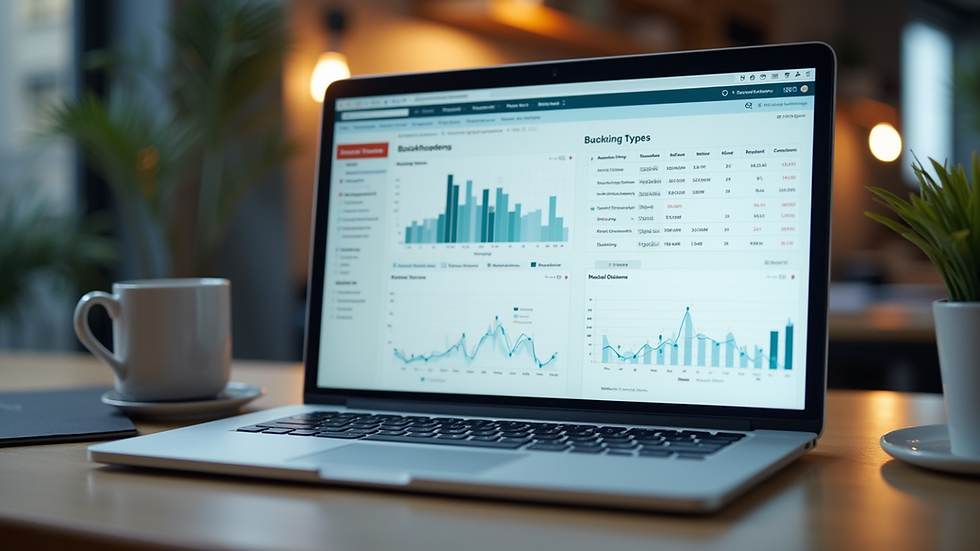
Key bookkeeping tasks for small businesses
To keep your books in order, focus on these core tasks:
Record every transaction promptly
Enter sales and expenses as soon as they happen. This prevents missing or forgotten entries.
Keep receipts and invoices organised
Store all documents safely, either digitally or in physical files. HMRC may ask to see these during an audit.
Reconcile bank statements monthly
Compare your records with your bank statements to spot discrepancies early.
Track VAT if applicable
If your turnover exceeds the VAT threshold, register for VAT and keep detailed records of VAT charged and paid.
Prepare for tax deadlines
Know when to submit your Self Assessment or Corporation Tax returns. Late submissions can lead to penalties.
Review financial reports regularly
Look at your profit and loss statements and cash flow reports monthly. This helps you spot trends and make informed decisions.
By following these steps, you maintain accurate and up-to-date records. This reduces stress during tax season and gives you a clear picture of your business’s financial health.
How much does bookkeeping cost in the UK?
The cost of bookkeeping varies depending on the size of your business and the complexity of your accounts. Here are some typical options:
DIY bookkeeping: Using software like QuickBooks or Xero can cost between £10 and £30 per month. This is suitable if you have simple accounts and time to manage your books.
Hiring a freelance bookkeeper: Rates usually range from £15 to £40 per hour. This option works well if you want professional help but do not need a full-time employee.
Outsourcing to a bookkeeping service: Monthly fees can range from £100 to £500 depending on the volume of transactions and services provided.
Accountants offering bookkeeping: Some accountants include bookkeeping in their packages, which can be cost-effective if you also need tax advice.
When choosing a bookkeeping solution, consider your budget, the time you can dedicate, and the level of expertise you need. Investing in good bookkeeping saves money in the long run by avoiding errors and penalties.

Choosing the right bookkeeping system
Selecting the right system depends on your business needs and preferences. Here are some common options:
Manual bookkeeping: Using paper ledgers or spreadsheets. This method is low cost but time-consuming and prone to errors.
Cloud-based software: Programs like Xero, QuickBooks, and FreeAgent offer automation, real-time updates, and easy access from anywhere. They also integrate with bank feeds and invoicing.
Hybrid approach: Some businesses use software for daily entries but hire a professional to review and finalise accounts.
When evaluating software, look for:
User-friendly interface
Integration with your bank
VAT and tax compliance features
Support and training resources
Remember, the best system is one you will use consistently and that fits your business size and complexity.
Staying compliant with UK bookkeeping regulations
UK bookkeeping rules require you to keep accurate records for at least six years. These records must be sufficient to:
Show your income and expenses
Support your tax returns
Allow HMRC to check your accounts if needed
You must also register for VAT if your taxable turnover exceeds £85,000 in a 12-month period. VAT records must be kept separately and submitted quarterly.
If you employ staff, you need to maintain payroll records and comply with PAYE (Pay As You Earn) regulations. This includes reporting to HMRC and making National Insurance contributions.
Failing to keep proper records can lead to fines and legal issues. Staying organised and up to date protects your business and builds financial confidence.
Building financial confidence through bookkeeping
Bookkeeping is more than a legal requirement. It is a tool for growth. When you understand your numbers, you can:
Identify profitable products or services
Control costs and improve cash flow
Plan for investments and expansion
Prepare for tax payments without surprises
I recommend setting aside time weekly or monthly to review your books. Use reports to track progress and set financial goals. If bookkeeping feels overwhelming, consider partnering with a professional who can take the stress off your shoulders.
By mastering these bookkeeping essentials, you create a solid foundation for your business’s success.
If you want to learn more about managing your finances effectively, explore resources on small business bookkeeping uk to find tailored support and advice.


Comments